
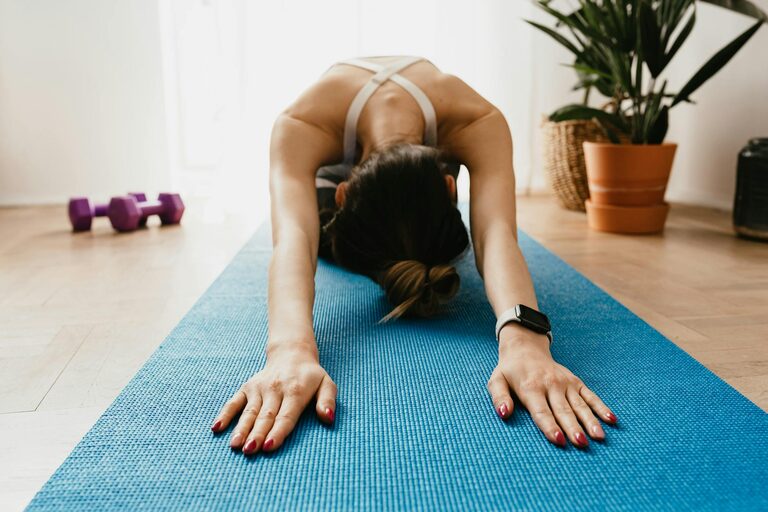
Stretching is a simple yet powerful way to enhance your overall health and well-being. Whether you want to increase your flexibility, reduce muscle tension, or prepare your body for physical activity, incorporating stretching into your daily routine can make a big difference. The best part? You don’t need any special equipment or a gym membership to get started—stretching at home is convenient and accessible for everyone.
In this beginner’s guide, we’ll walk you through the basics of stretching, why it’s important, and how to create an effective stretching routine that fits your lifestyle.
Why Stretching Matters
Stretching offers a range of benefits that support both physical and mental health:
– Improves flexibility: Regular stretching helps lengthen your muscles and increase your range of motion.
– Reduces muscle tension: Stretching can ease tightness in muscles, reducing discomfort or stiffness.
– Enhances circulation: Stretching increases blood flow to muscles, aiding recovery and energy levels.
– Boosts posture: By loosening tight muscles, stretching promotes better alignment and posture.
– Prepares your body: Stretching before exercise warms up muscles and lowers the risk of injury.
– Promotes relaxation: Gentle stretching can also calm your mind, reducing stress and anxiety.
Types of Stretching
Before diving into routines, it’s helpful to know about the different types of stretches:
Static Stretching
This involves holding a stretch in one position for 15-60 seconds. It’s ideal for cooling down after physical activity or improving flexibility over time.
Dynamic Stretching
These are controlled, moving stretches that gently warm up the muscles. Examples include leg swings or arm circles. Dynamic stretches prepare the body for exercise.
PNF Stretching
Proprioceptive Neuromuscular Facilitation (PNF) uses a combination of contracting and stretching muscles to improve flexibility. It’s more advanced and often guided by a professional.
For beginners, static and dynamic stretches are great starting points.
How to Stretch Safely at Home
To maximize benefits and avoid injury, keep these safety tips in mind:
– Warm up first: Try 3-5 minutes of light activity, like walking or marching in place, before stretching.
– Don’t bounce: Avoid jerky movements; hold stretches steadily to prevent muscle strain.
– Listen to your body: Stretch to the point of mild tension, not pain.
– Breathe deeply: Focus on slow, even breathing to relax your muscles.
– Stretch regularly: Consistency is key—aim to stretch at least 3-4 times per week.
A Simple Beginner’s Stretching Routine
This routine targets major muscle groups and can be done in about 10-15 minutes. Hold each stretch for 20-30 seconds and repeat on both sides when applicable.
1. Neck Stretch
– Sit or stand tall.
– Slowly tilt your head to one side, bringing your ear toward your shoulder.
– Use your hand to gently apply pressure for a deeper stretch.
– Switch sides.
2. Shoulder Stretch
– Bring your right arm across your chest.
– Use your left hand to press the arm closer.
– Feel the stretch across the shoulder.
– Switch arms.
3. Chest Stretch
– Stand in a doorway.
– Place your palms on either side of the door frame at shoulder height.
– Step forward gently, feeling the stretch across your chest.
4. Triceps Stretch
– Raise your right arm overhead.
– Bend the elbow, reaching your hand toward your upper back.
– Use your left hand to gently press the elbow for a deeper stretch.
– Switch arms.
5. Cat-Cow Stretch (for spine mobility)
– Get on all fours with hands under shoulders and knees under hips.
– Inhale, arch your back downward (cow pose), lifting your head and tailbone.
– Exhale, round your spine upward (cat pose), tucking your chin and tailbone.
– Repeat slowly 5-8 times.
6. Seated Hamstring Stretch
– Sit on the floor with your right leg extended straight.
– Bend your left leg, placing the sole of your foot against your right inner thigh.
– Reach forward toward your right toes, keeping your back straight.
– Switch legs.
7. Quadriceps Stretch
– Stand holding onto a chair or wall for balance.
– Bend your right knee and grasp your ankle with your right hand.
– Pull your heel gently toward your buttocks.
– Keep your knees close together.
– Switch legs.
8. Calf Stretch
– Stand facing a wall with your hands on it.
– Step your right foot back, keeping it flat on the floor.
– Lean forward slightly, bending the left knee.
– Feel the stretch in the right calf.
– Switch legs.
Building Your Own Routine
You can customize your stretching routine based on your needs and schedule. Here are some tips:
– Start small: Begin with 5-10 minutes a day and gradually increase.
– Focus on areas of tension: Pay extra attention to muscles that feel tight or sore.
– Combine stretching with movement: Try stretching before and after walking, biking, or other activities.
– Use videos or apps: Follow beginner-friendly stretching videos to learn proper techniques.
– Stay consistent: Regular practice leads to the best results.
When to Stretch (and When Not To)
– Best times: After waking up, before and after workouts, or anytime you feel tightness.
– Avoid stretching cold muscles: Always warm up first with light activity.
– Be cautious if injured: Consult a healthcare professional before stretching if you have injuries or chronic pain.
Final Thoughts
Stretching at home is an easy, affordable way to care for your body and mind. By making it a part of your regular routine, you’ll feel more flexible, relaxed, and energized. Remember, the key is gentle, consistent practice. So start today, listen to your body, and enjoy the benefits of stretching in your own space.
—
Happy stretching!