
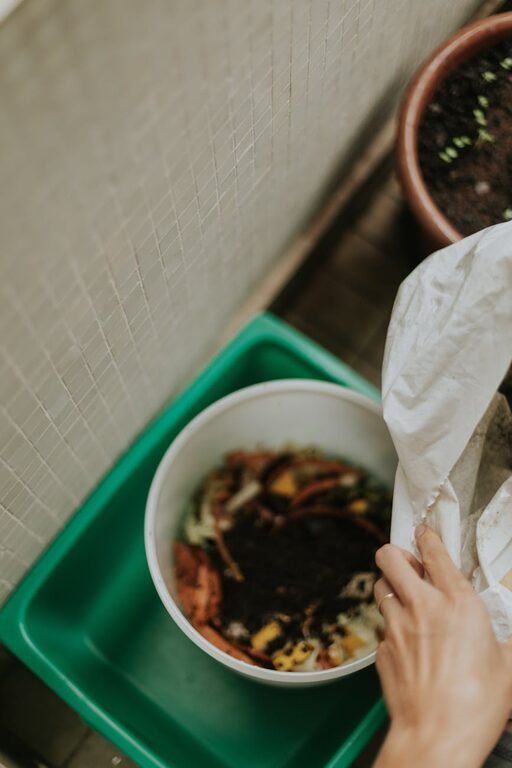
Composting at home is an excellent way to minimize kitchen and yard waste while creating nutrient-rich soil for your garden. Whether you have a spacious backyard or a small balcony, composting can be adapted to fit your lifestyle and space. This guide will provide beginner tips to start composting easily and effectively.
What is Composting?
Composting is the natural process of recycling organic materials like food scraps and garden waste into a dark, crumbly substance called compost. This material enriches soil by improving its structure, moisture retention, and fertility.
Why Compost at Home?
– Reduces waste: Instead of sending food and yard waste to the landfill, composting turns it into valuable soil.
– Saves money: Healthy soil can reduce the need for chemical fertilizers and improve plant growth.
– Supports the environment: Composting lowers greenhouse gas emissions and promotes earth-friendly gardening habits.
Getting Started: Choosing a Composting Method
Before you begin, consider your space, how much waste you produce, and your time availability. Here are popular options for beginners:
1. Traditional Compost Bin
These bins are usually placed outdoors and come in various sizes. They allow airflow and hold your compost materials in one spot.
– Ideal for homeowners with garden space.
– Requires regular turning with a pitchfork or compost turner.
2. Compost Tumbler
A sealed container that can be rotated to mix materials quickly.
– Speeds up composting.
– Helps reduce odors.
– Requires some physical effort to turn.
3. Vermicomposting (Worm Composting)
This method uses worms to break down organic waste in a container.
– Works well indoors or small spaces.
– Can handle kitchen scraps.
– Needs basic care for worm health.
4. Bokashi Composting
An anaerobic fermentation process using a special starter mix.
– Suitable for all food waste, including meat and dairy.
– Produces pre-compost that’s later buried or added to a traditional compost pile.
What Materials Can You Compost?
It’s important to balance “green” and “brown” materials.
Green Materials (Nitrogen-rich)
– Fruit and vegetable scraps
– Coffee grounds and tea bags
– Fresh grass clippings
– Eggshells (crushed)
Brown Materials (Carbon-rich)
– Dry leaves
– Straw and hay
– Shredded paper or cardboard (non-glossy)
– Small branches or twigs
What to Avoid
– Meat, fish, and dairy (unless using bokashi)
– Diseased plants or invasive weeds
– Pet feces
– Oily or greasy food scraps
Steps to Start Composting
1. Pick Your Compost Spot
Choose a dry, shady spot outdoors or prepare an indoor container if using vermicomposting.
2. Prepare Your Bin or Container
Set up your compost bin or worm composter according to manufacturer instructions or DIY plans.
3. Start Adding Materials
Alternate layers of greens and browns to maintain balance. A common rule is a ratio of about 1 part green to 3 parts brown.
4. Keep It Moist and Aerated
Compost should be as damp as a wrung-out sponge. If it’s too dry, add water; if too wet, add more browns.
Turn or mix your compost pile every 1-2 weeks to add oxygen, which helps organisms break down the materials.
5. Be Patient
Depending on conditions, compost can take a few months to a year to fully mature. Finished compost looks dark, crumbly, and smells earthy.
Tips for Successful Composting
– Chop or shred materials: Smaller pieces break down faster.
– Avoid overloading with one type of material: Balance is key.
– Cover fresh food scraps: Use a layer of browns to reduce odors and pests.
– Use a compost thermometer: Ideal decomposition happens between 135°F and 160°F.
– Keep it covered: A lid or tarp protects from excess rain, which can make compost soggy.
Using Your Finished Compost
Once ready, use your compost to:
– Enrich garden beds and pots.
– Mulch around plants to retain moisture.
– Improve lawn health by spreading thinly over grass.
– Mix into seed-starting or potting soil blends.
Troubleshooting Common Compost Problems
| Problem | Cause | Solution |
|——————-|—————————————|——————————————-|
| Smelly pile | Too much green material or wetness | Add browns, turn pile to add air |
| Slow decomposition| Too dry, too much brown, or cold weather | Add water and greens, turn pile, be patient |
| Pests | Food scraps exposed | Bury scraps, cover with browns, secure bin|
| Compost too wet | Excess water from rain or greens | Add more browns, improve drainage |
Final Thoughts
Starting a compost at home is simpler than it may seem and can be tailored to your space and needs. By following these beginner tips, you’ll reduce waste, create valuable soil, and contribute positively to the environment. Happy composting!
—
Feel free to share your composting experiences and questions in the comments below!